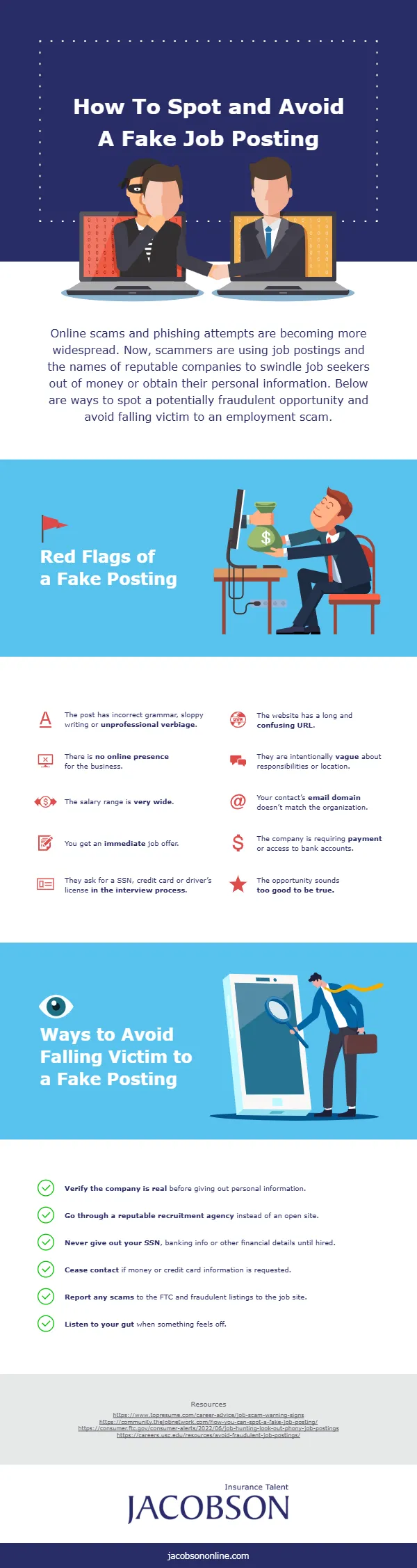


Finding a job today often starts with an internet search. Online platforms, job boards, and career networking sites have transformed how people connect with employers. But while the web offers countless legitimate job openings, it’s also become a breeding ground for cybercriminals preying on hopeful applicants. The rise of fake job postings is not just a nuisance — it’s a growing threat that can lead to identity theft, financial loss, and emotional distress. Understanding how to identify fraudulent listings is critical to protecting yourself during the job search.
Scam job postings often look legitimate at first glance, but several telltale signs can alert you to danger. One of the biggest giveaways is the promise of high pay with minimal effort or experience. If the job claims you’ll earn thousands of dollars a week with no background, certifications, or even interviews, it’s time to step back and reevaluate. Real job descriptions generally balance discussion of compensation with a clear outline of responsibilities, required qualifications, and expectations. When these elements are missing or glossed over, you should proceed with caution.
Another red flag is poorly written content. While small typos can happen in any document, glaring grammatical errors, inconsistent language, or sloppy formatting are signs that the job post wasn’t created by a reputable business. Scammers often don’t invest time or effort into looking professional — their goal is to bait people as quickly as possible.
To protect yourself, always research the company. Don’t rely solely on the job board’s listing. Look for a legitimate company website, check for reviews on employer-rating sites, and search for a social media presence. If there’s no trace of the organization outside the job listing, consider that a serious warning sign. Even better, working with professional executive recruiters can significantly reduce your exposure to these fraudulent job postings. These experts have vetted contacts and real opportunities with verified companies, offering you a layer of safety and credibility that public job boards can’t guarantee.
A common tactic scammers use is asking for personal information early in the hiring process. No legitimate employer will request your Social Security number, bank information, or payment of any kind before an official offer has been made and documented. If you’re asked to pay for training materials, software, or anything else before you’ve even started the job, it’s a scam. Legitimate companies do not charge their candidates.
In summary, vigilance is your best defense. Trust your instincts, thoroughly investigate every opportunity, and be wary of anything that feels rushed, too easy, or overly secretive. Always prioritize your security — your next opportunity should empower you, not put you at risk.