

Introduction
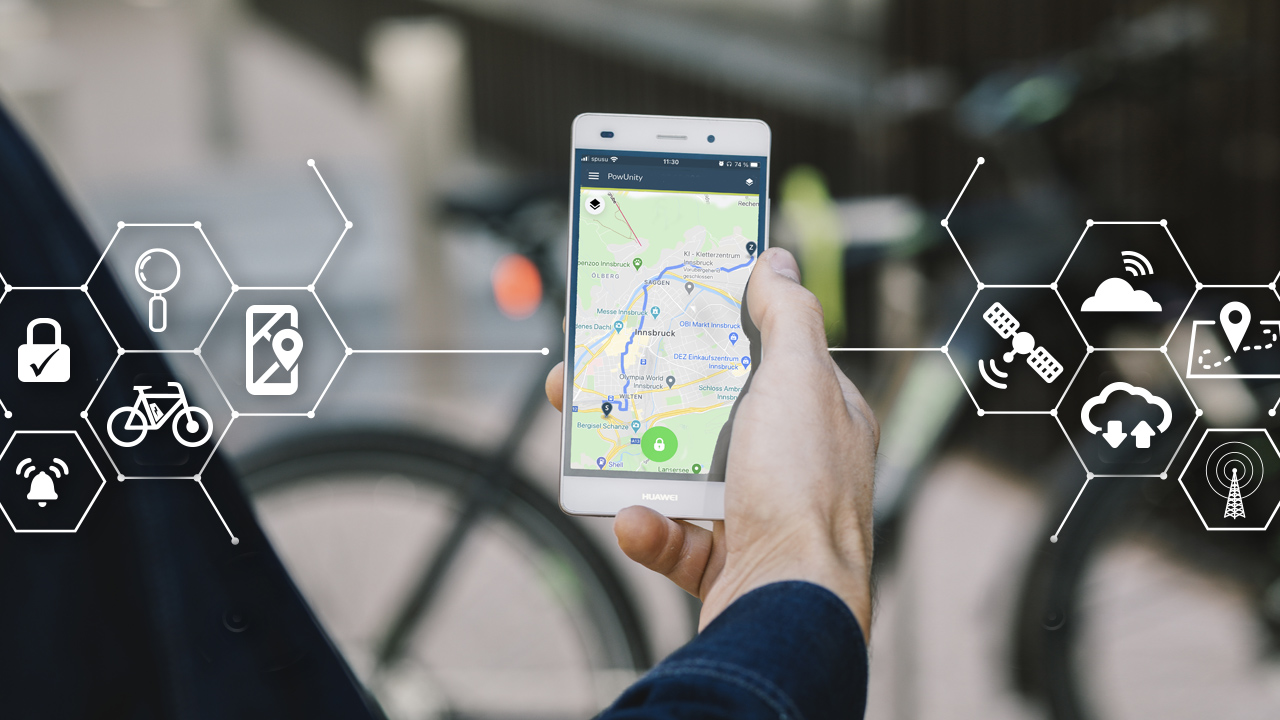
Due to the pressure of working in today’s world business whilst ensuring that all the important assets are secured and accounted for can be a difficult task when efficiency and productivity are a high priority for the owners and managers. Undoubtedly, one of the most efficient solutions to this problem is GPS tracking technology. With the help of GPS, firms can organize their operations in the best way to control the location of all the assets in real-time.
This also supplements operational effectiveness and affords protection against theft. Further, GPS tracking provides businesses with the best ways of using equipment in the business to produce high-quality products and at the same time plan when to service the equipment to reduce the periods they will take for servicing. Lastly, GPS technology incorporation in operations ensures that organizations can make the right decisions to increase efficiency.
The Importance of GPS Equipment Tracking
Equipment tracking is a step beyond simply being aware of where your assets are; it is a means of using that information effectively. Since equipment has a significant importance to business operations especially where activities are largely dependent on equipment such as construction, logistics, and transportation, it is important to get the right information on their location as well as their working condition.
Real-time access by business owners and managers to such equipment enables them to schedule their business operations appropriately and plan for necessary maintenance and repairs on the equipment in good time. The increased exposure does not only increase the efficiency system but also reduces idle time hence resulting in better functioning. With equipment tracking, an organization can decide wisely thus making their performances more efficient and thus a better-running organization hence the success of the business.
Keeping Tabs on Your Equipment’s Whereabouts
Another great benefit of GPS equipment tracking is that the location of the assets cannot be merely ascertained at any given moment, but in fact, can be monitored in real time. Using satellite technology, you can establish the location of your equipment in meters and see its movement on a map. From a room perspective, it allows fleet managers to keep a closer eye on the usage of some equipment to determine which of the tools is underutilized and therefore can be redeployed or disposed of.
Moreover, GPS tracking promotes better interaction between managers and drivers as well as increases schedule compliance and safe driving behaviors. This also improves routing by giving information that improves the delivery routes or service call routes, time, and fuel usage. In addition, GPS tracking of vehicles reveals how much time certain vehicles spend inactive, and with this information, the managers can introduce changes to increase the overall operational efficiency.
Safeguarding Your Assets from Theft
Protecting your property from theft is something every business person and manager has the responsibility of doing. Organizations and companies that integrate GPS tracking systems raise the possibility of equipment recovery in case of theft. Some of these features include geofencing which sends an alert when your assets move outside the specified regions hence quick action can be taken.
Also, GPS tracking keeps records of equipment movements that may be useful for policemen to identify shift patterns. It also helps to prevent thieves from attacking and businesses can cut their insurance costs effectively improving their risk profiles.
Optimizing the Use of Your Equipment
Ideally, the equipment you use needs to be utilized to an optimal level to guarantee reasonable returns on investment. GPS equipment tracking can provide insights that lead to better decision-making in several areas:
Scheduled Maintenance
Another advantage is that GPS tracking systems will inform an operator of when equipment and consumables require replacement. It is also an effective way of avoiding a costly breakdown and prolonging the useful life of your assets.
Fuel Efficiency
The next indication that vehicles’ GPS may inform better overall fuel management is that driving patterns can be learned from GPS data. The strategies for suggesting ways to cut fuel consumption can be based on the analysis of routes and the behavior of the drivers.
Driver Behavior Monitoring
Some GPS tracking systems have driver performance monitoring built into their package deals. This enables you to find out dangerous driving behaviors that you can prevent by developing training courses to lower the rate of accidents.
Data-Driven Decisions
Through the provision of these details in real time, the fleet managers can make decisions that have a bearing on the company’s profit line. From schedule changes dependent on equipment status to future equipment requirements, better decision-making is made possible by data.
Conclusion
GPS equipment tracking goes beyond being a mere tool for business owners and fleet managers who need to make significant improvements to their operations, protect assets, and get the most out of equipment. That is why you can keep track of your equipment location and use it to your advantage and cut on the probability of theft while making sound decisions that help in increasing profitability.
In an industry where time is of the essence and every piece of resource is crucial, GPS equipment tracking plays a significant role in the best fleet management practices. This is a technology that one should adopt today to enhance the operation of the business.
