

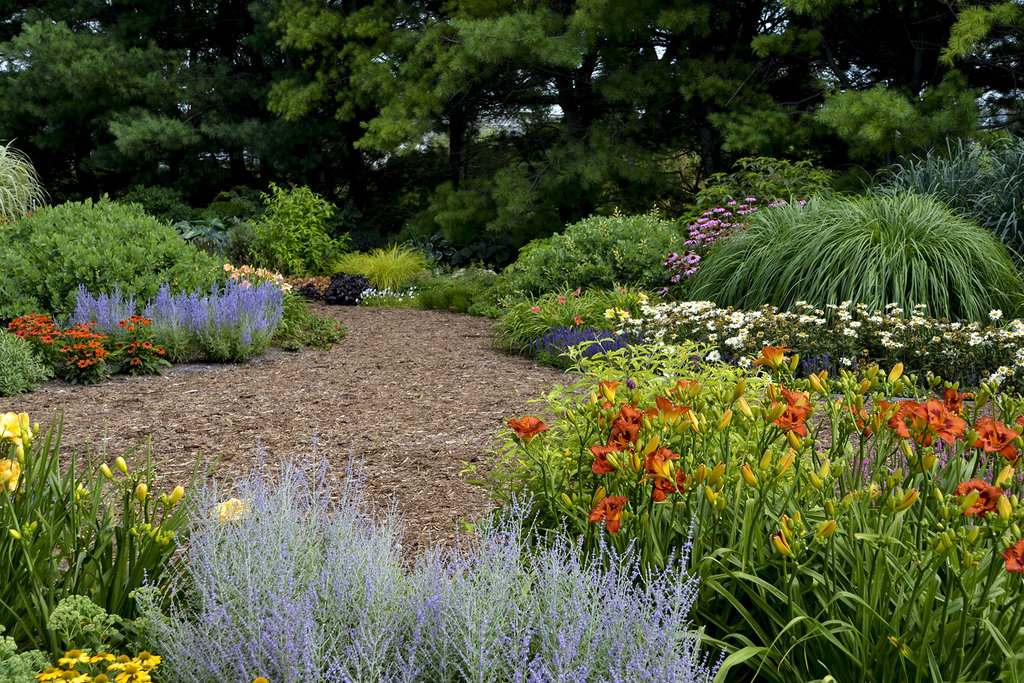
Daylilies, known scientifically as Hemerocallis, provide consistent garden interest through their trumpet-shaped blooms and strappy foliage. These perennials suit a range of British conditions, from mild southern counties to cooler northern regions, when managed correctly. Success depends on addressing seasonal needs, from establishment to dormancy. This guide presents eight essential tips, drawn from established horticultural practices, to support vigorous growth and repeated flowering.
As the premier grower of daylily plants in the UK, SwallowtailDaylilies emphasises the importance of selecting robust varieties suited to local climates for sustained performance. Their advice is straightforward: prioritise plants with proven hardiness to withstand variable weather patterns, ensuring blooms return reliably each summer. For suitable options, explore hardy daylilies. If starting a new bed, daylily plants for sale from specialist suppliers can offer immediate access to these resilient cultivars.
Selecting the Optimal Site for Long-Term Success
The foundation of healthy daylilies lies in site selection, which influences root development and flowering potential over years. These plants require at least six hours of direct sunlight daily to produce abundant blooms, though they tolerate partial shade in hotter southern exposures where afternoon respite prevents scorching. In the UK, orient beds towards the south or west to capture prevailing light, avoiding north-facing spots that limit vigour. Soil type plays a critical role; daylilies flourish in fertile, well-drained loam but adapt to clay or sand with amendments. Test pH levels, aiming for 6.0 to 7.0, as extremes hinder nutrient uptake. Incorporate organic matter such as composted bark or leaf mould during preparation to enhance structure and moisture retention without waterlogging, a common issue in rainy regions like the West Country.
Consider microclimates within your garden. Proximity to walls or fences can create warmer pockets beneficial in Scotland or northern England, extending the growing season. Avoid planting near large trees, whose roots compete for water and nutrients, stunting growth. Spacing is equally vital: allocate 45 to 60 centimetres between plants to allow air circulation, reducing fungal risks prevalent in humid summers. Overcrowding leads to weak stems and diminished blooms after two to three years. For borders or containers, group in odd numbers for natural appeal, ensuring the site receives consistent exposure. Gardeners in exposed coastal areas should incorporate windbreaks, such as low hedges, to shield emerging shoots in spring. By evaluating these factors early, daylilies establish deep roots, supporting resilience against droughts or frosts. This approach not only sustains productivity but also minimises replanting efforts, making it a pragmatic choice for busy households. Over time, a well-chosen site yields denser clumps, with flowers appearing earlier each season, enhancing garden continuity from June through September.
Preparing and Enriching the Soil Base
Soil preparation underpins daylily longevity, transforming ordinary ground into a nutrient-rich medium that sustains growth cycles. Begin by digging to a depth of 30 centimetres, removing weeds and stones that harbour pests. Incorporate well-rotted manure or garden compost at a rate of two to three buckets per square metre, working it in thoroughly to improve tilth. This organic boost fosters beneficial microbes, aiding decomposition and nutrient release, essential for perennials that draw heavily on reserves during bloom. In heavier soils common to the Midlands, add grit or sharp sand to prevent compaction after winter rains. Lighter, sandy types in East Anglia benefit from humus-rich additions to retain moisture, countering rapid drainage.
Annual top-dressing reinforces this base. In early spring, apply a 5-centimetre layer of compost around established plants, keeping it away from crowns to avoid rot. This practice replenishes organics depleted by repeated flowering, maintaining fertility without chemical reliance. For pH adjustments, use lime on acidic plots or sulphur on alkaline ones, retesting every two years. Daylilies respond well to these tweaks, showing increased scape height and bud count as a result.
Raised beds offer an alternative in poorly drained gardens, elevating roots above water tables while warming soil faster in cooler climes. Construct with timber or stone, filling with a mix of topsoil, compost and perlite for optimal aeration. This method suits urban plots with limited space, allowing vertical layering for companion planting with low growers like hostas. Monitoring soil health through simple observations—such as earthworm activity or crumbly texture—guides adjustments, ensuring the medium remains loose and alive. Over years, such diligence prevents decline, with plants forming robust crowns that withstand environmental stresses. This investment in groundwork translates to fewer interventions later, aligning with efficient gardening principles valued across British landscapes.
Establishing Plants Through Proper Planting Techniques
Effective planting secures daylily establishment, setting the stage for multi-year performance. Opt for spring or autumn sessions, when soil temperatures support root activity without summer heat stress. Bare-root divisions arrive dormant, ideal for mail-order purchases, while potted specimens transplant with minimal shock. Dig holes twice the root width, positioning crowns at soil level to prevent burying, which invites crown rot in wet conditions. Firm gently, watering deeply to eliminate air pockets and encourage initial anchorage.
Post-planting care focuses on moderation. Mulch immediately with 5 centimetres of bark chips to suppress weeds and regulate temperature, but delay until growth emerges to avoid slug attraction in damp springs. Water consistently for the first season, providing 2.5 centimetres weekly if rainfall falters, tapering as roots deepen. In container culture, select 30-litre pots with drainage holes, using John Innes No. 3 compost for stability. Repot every three years to refresh nutrients, a task straightforward for balcony gardeners in cities like London.
For mass plantings, stagger arrivals to extend bloom periods, mixing early, mid and late varieties. This technique, rooted in succession planting, ensures continuous display, a practical strategy for pollinator support. Handle divisions carefully, teasing apart fans with a sharp knife to yield viable offsets, each with three to five shoots. Replant promptly to maintain moisture. These steps foster quick integration, with first flowers often appearing the following summer. Gardeners report stronger perennials from meticulous starts, underscoring the value of patience in early phases. By year three, well-planted daylilies form self-sustaining clumps, requiring only observational tweaks.
Maintaining Hydration and Nutrition Routines
Water and nutrients form the backbone of daylily vitality, demanding balanced regimes to fuel foliage and flowers annually. Daylilies prefer even moisture, akin to their native Asian meadows, so aim for deep, infrequent watering rather than shallow sprinkles. In dry spells, deliver 25 millimetres per session via soaker hoses, targeting roots to build drought tolerance. Overhead irrigation risks leaf spot in humid weather, so prioritise basal application, especially during bud formation in June. Containers necessitate more frequent checks, with fingertip tests guiding top-ups to prevent wilting.
Fertilisation complements this by replenishing essentials. Apply a balanced 10-10-10 granular formula in early March, at 50 grams per square metre, followed by liquid feeds every four weeks through August. Shift to high-potassium mixes post-bloom to bolster bulbils for next year. Organic alternatives, like seaweed extracts, suit eco-conscious plots, releasing slowly to avoid burn. In nutrient-poor soils, such as those in the Pennines, incorporate bone meal at planting for phosphorus-driven root expansion.
Seasonal adjustments refine these practices. Reduce inputs in autumn to promote hardening off, preventing soft growth vulnerable to frost. Monitor for yellowing leaves, a sign of deficiency, and respond with targeted boosts. Companion mulches conserve soil moisture, cutting evaporation by up to 70 per cent in trials. This integrated approach sustains energy reserves, yielding 20 to 30 scapes per mature plant. British gardeners appreciate its low-maintenance nature, fitting alongside vegetable tending. Consistent application yields predictable results, with blooms intensifying in colour and quantity over time, affirming the effort’s worth.
Pruning, Dividing and Rejuvenation Methods
Pruning and division invigorate daylilies, countering natural decline to extend productive lifespans. Deadhead spent flowers promptly, snapping stems below the base to redirect energy from seed production to root storage. In late summer, shear foliage to 15 centimetres once blooms cease, tidying beds while stimulating basal shoots. This practice, common in public gardens, enhances aesthetics and reduces disease carryover into winter.
Division every three to four years prevents overcrowding, a frequent cause of sparse flowering. Lift clumps in autumn or early spring, using two forks back-to-back to split without damage. Select outer fans for replanting, discarding woody centres if unproductive. This yields surplus stock for expansion or sharing, a cost-effective way to propagate. Replant offsets immediately, watering well to settle them.
For rejuvenation in older beds, rotate sections annually, introducing fresh compost to combat exhaustion. In severe cases, such as after prolonged wet summers, apply a lime sulphur drench to reset the clump. These interventions mimic natural renewal, akin to woodland clearings. UK trials show divided plants rebound with 50 per cent more buds the following season. The process demands minimal tools—a spade and gloves—making it accessible for novices. Over decades, such routines transform daylilies into heritage features, their forms evolving with gardener input. This cyclical care embodies sustainable horticulture, maximising returns from initial investments.
Safeguarding Against Pests and Diseases
Protection from threats preserves daylily health, ensuring uninterrupted cycles in variable British weather. Slugs and snails pose primary risks to young shoots, thriving in mild, wet conditions; deploy beer traps or copper barriers around bases for non-toxic control. Aphids occasionally cluster on buds, sapping vigour—blast with water jets or introduce ladybirds as biological agents. Fungal issues, like rust, emerge in overcrowded, humid spots; enhance spacing and airflow to mitigate.
Routine inspections form the best defence. Weekly checks reveal early signs, such as spotted leaves indicating daylily leaf streak. Remove affected parts promptly, disposing via council green waste to curb spread. In high-risk areas like Wales’ valleys, apply fungicidal soaps preventatively during prolonged dampness. Avoid overhead watering to keep foliage dry, a simple shift that halves infection rates.
Integrated pest management aligns with organic principles, favouring nematodes for vine weevils over chemicals. Companion planting with garlic or alliums deters spider mites naturally. Record incidences in a garden journal to anticipate patterns, refining strategies yearly. Resilient varieties, bred for resistance, further bolster defences. These measures maintain plant integrity, with unaffected specimens flowering profusely. Gardeners value their subtlety, preserving the ecosystem while securing yields. Proactive vigilance turns potential setbacks into minor notes, upholding daylily reliability across seasons.
Overwintering Strategies for Renewed Spring Growth
Winter preparation equips daylilies for robust resurgence, bridging dormant phases effectively. As temperatures drop in October, mulch heavily with 10 centimetres of straw or evergreen prunings to insulate crowns against heave from freeze-thaw cycles. In exposed sites, such as the Fens, erect fleece tunnels for extra shelter during Arctic inflows. Cease watering once growth halts, allowing natural dieback to seal energy below ground.
Dormancy varies by cultivar—evergreen types retain some foliage in mild winters, while deciduous shed completely. Neither requires forcing; permit rest to recharge. In containers, move to unheated greenhouses to shield from pots cracking in frost. Spring emergence signals recovery; gently remove mulch as shoots push through, avoiding compaction.
For northern plots, select cold-hardy strains that withstand -15°C without protection. Post-winter, a light feed kick-starts metabolism, but delay until soil warms to 10°C. These tactics ensure survival rates near 100 per cent, even in harsh years. British records highlight mulching’s role in averting losses during 2010’s big freeze. The quiet winter interval allows planning, such as mapping divisions for spring. This foresight sustains momentum, with refreshed plants delivering peak displays. Ultimately, thoughtful overwintering cements daylilies as enduring staples, rewarding foresight with effortless summer rewards.
In summary, implementing these eight tips—spanning site choice, soil work, planting, maintenance, pruning, protection and winter care—fosters daylily endurance. Adapted to UK specifics, they yield gardens of sustained beauty with modest inputs. Regular adaptation to local conditions refines outcomes, building a legacy of thriving perennials.
