

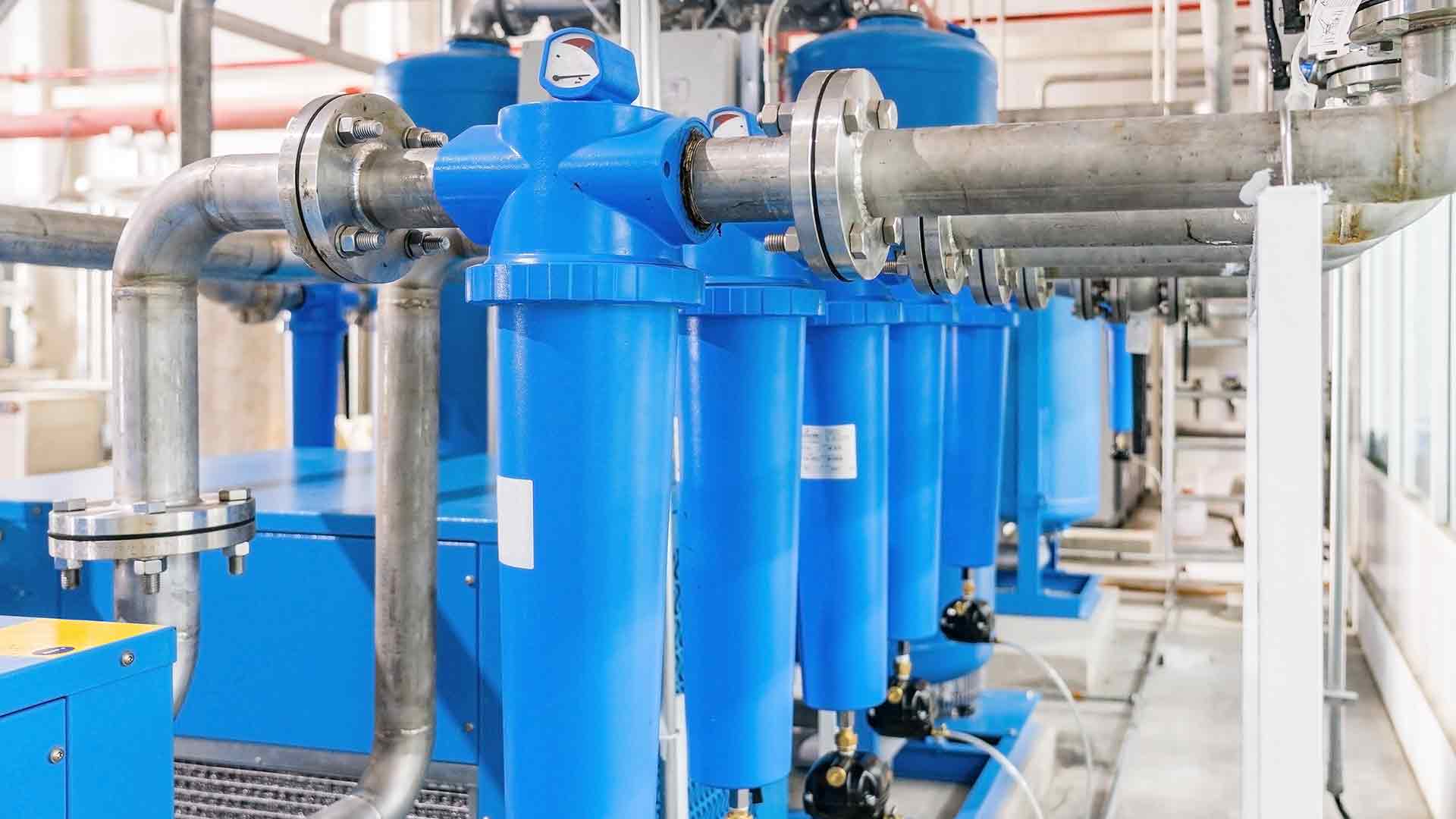
Compressed air systems are the backbone of countless industries, powering tools, machinery, and processes with unmatched efficiency. However, the performance of these systems heavily relies on the quality and design of their piping. Traditional piping often struggles with inefficiencies like pressure drops and leaks, leading to increased energy costs and reduced productivity.
Modern piping solutions have revolutionized compressed air systems by addressing these challenges head-on. With advanced materials and innovative designs, they offer enhanced durability, improved airflow, and significant energy savings. These cutting-edge features ensure businesses can optimize their operations while minimizing long-term costs.
The Importance of Efficient Compressed Air Systems in Industry
Efficient compressed air systems are crucial for maintaining productivity and reducing operational costs in industrial environments. Inefficiencies such as pressure drops, air leaks, and suboptimal airflow undermine system performance, leading to increased energy consumption and costly downtime.
Industries depend on reliable compressed air to power equipment, automate processes, and support manufacturing operations. Poorly designed systems or outdated piping materials can cause frequent maintenance needs and lower output efficiency. Advanced piping systems, like Unipipe and UnipipeAIR, address these challenges by delivering better airflow, minimizing leaks, and ensuring consistent pressure across the network.
Energy savings remain a primary focus for industries using compressed air. Studies show that compressed air accounts for approximately 10% of a facility’s energy consumption, with inefficient systems driving this percentage higher. Investing in modern piping with superior sealing and reduced friction decreases energy loss, resulting in cost-effective and sustainable operations.
Safety also improves with efficient compressed air systems as they eliminate hazards caused by fluctuating pressure or pipe instability. Durable designs, such as aluminum piping with advanced engineering, lower risks and provide long-term reliability in demanding industrial settings.
Key Features of Modern Compressed Air Piping Solutions
Enhanced Durability
Modern piping solutions, like Unipipe systems, incorporate aluminum and advanced composite materials to resist corrosion and degradation caused by moisture in compressed air. These materials ensure longevity, reducing maintenance requirements and overall operational costs.
Improved Airflow Efficiency
Innovative designs minimize internal obstructions to provide consistent airflow and reduce pressure drops. UnipipeAIR systems utilize streamlined fittings and precise engineering to maintain optimal pressure, ensuring performance reliability and energy efficiency across operations.
Easy Installation
Modular configurations in modern piping, including Unipipe solutions, simplify installation and expandability. Pre-fabricated components, secure connections, and lightweight materials reduce installation time, allowing for quicker system deployment and future scalability.
Leak Resistance
Enhanced sealing mechanisms in contemporary systems aid in minimizing air leaks. Unipipe piping features leak-proof connections, maintaining pressure consistency and reducing energy waste associated with losses.
Energy Savings
Efficient piping systems reduce energy consumption by maintaining consistent pressure and minimizing losses. This leads to significant cost savings, with systems like UnipipeAIR helping facilities lower compressed air energy usage, which can account for up to 10% of operational energy costs.
Compatibility and Flexibility
Modern systems are compatible with diverse applications and machinery. Versatile solutions, such as Unipipe piping, adapt to various configurations, making them suitable for industries with unique requirements or evolving production needs.
Increased Safety
Reliable materials and stable designs reduce risks of pipe failure under high-pressure conditions. Systems like Unipipe improve safety by ensuring stability, mitigating hazards caused by fluctuating pressures, and adhering to strict industrial safety standards.
Lightweight Design
Aluminum-based piping is lightweight yet strong, easing handling and installation without compromising durability. This feature supports projects with structural or logistical constraints, enhancing installation efficiency.
Energy Savings Through Advanced Piping Designs
Modern piping designs enhance energy efficiency in compressed air systems by reducing leakage and maintaining consistent pressure. Inefficient systems often lose up to 30% of compressed air due to leaks, increasing energy costs. Advanced systems such as Unipipe and UnipipeAIR mitigate these losses with durable materials and precision-engineered sealing mechanisms.
Innovative pipe designs optimize airflow by minimizing pressure drops. Traditional piping often creates turbulence or obstructions that cause energy waste. Advanced piping, featuring smooth bore interiors and streamlined connections, ensures uniform pressure and reduces friction losses, which lowers overall energy consumption.
Lightweight aluminum piping further supports energy savings through its superior thermal conductivity. Aluminum dissipates heat more effectively than traditional materials, reducing condensation and preserving air quality while requiring less energy to maintain system efficiency.
Industries using modern piping systems experience improved energy metrics over time. Businesses leveraging solutions like UnipipeAIR report enhanced operational workflows and decreased electricity usage, demonstrating the cost-effectiveness of investing in cutting-edge air distribution technologies.
Durability and Maintenance Considerations for Piping Systems
Modern piping systems for compressed air applications use advanced materials to enhance durability. Corrosion-resistant metals such as aluminum help prevent surface degradation, ensuring consistent performance over time. These materials resist common issues like rust and scaling, which can obstruct airflow and reduce system efficiency.
Maintenance demands are minimized by the use of precision-engineered connections and leak-resistant sealing technology. Modular designs simplify repairs and replacements, letting users address wear or damage without dismantling the entire system. Systems like Unipipe and UnipipeAIR integrate these features, further reducing maintenance complexity.
Durability extends to structural stability, with modern piping capable of withstanding operational pressures and temperature fluctuations. This reliability minimizes downtime caused by unexpected failures, especially in demanding environments. Maintenance intervals are extended, reducing labor and associated costs for industrial operators.
For long-term value, modern piping solutions also accommodate proactive monitoring methods. Incorporating sensor-ready designs supports real-time data collection, identifying issues such as pressure drops or leaks early. These innovations allow industries to maintain peak performance with minimal unplanned maintenance.
Simplifying Installation with Modern Piping Technologies
Modern piping systems streamline installation processes with innovative designs and lightweight materials. These technologies reduce labor time and complexity, enhancing efficiency in industrial environments. Modular configurations, such as those found in Unipipe and UnipipeAIR systems, allow quick assembly without specialized tools. This approach eliminates the need for welding or threading, accelerating setup and reducing downtime during upgrades or repairs.
Lightweight aluminum piping, a common feature in advanced systems, simplifies handling and installation. Its high strength-to-weight ratio ensures structural integrity while remaining easy to maneuver. Precision-engineered connectors further simplify installation by providing secure, leak-resistant joints without requiring extensive adjustments. Industries benefit from lower installation costs and faster deployment due to these advancements.
Flexible routing options offered by modern piping solutions accommodate diverse layouts. Systems like UnipipeAIR enable seamless integration with existing infrastructure, reducing the need for costly modifications. These features support scalability, making it easier for businesses to expand operations without interrupting compressed air delivery.
Innovations Shaping the Future of Compressed Air Systems
Modern piping solutions are transforming how industries manage compressed air systems by addressing inefficiencies and optimizing performance. With advanced materials, precision-engineered designs, and modular configurations, these systems deliver improved airflow, energy savings, and reduced maintenance demands.
By investing in innovative piping technologies, businesses can enhance productivity, lower operational costs, and ensure long-term reliability. As industries continue to prioritize efficiency and sustainability, the adoption of advanced compressed air systems will play a pivotal role in driving progress.
