

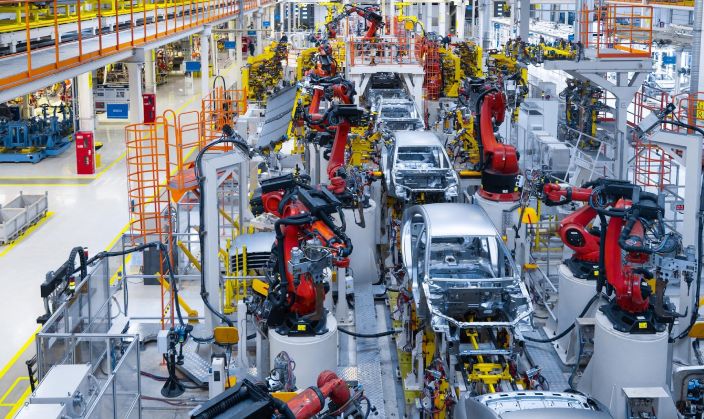
The auto industry has experienced significant transformations over the past few decades, and 2025 marks another pivotal year of innovation. From electric vehicles to advanced driver-assistance systems, the automotive landscape continues to evolve at a rapid pace. As consumers demand sustainable solutions, tech-driven features, and safer driving experiences, manufacturers are investing heavily in research, design, and cutting-edge technologies.
The modern auto sector is no longer defined solely by mechanical engineering. Software integration, environmental compliance, and user experience have become just as critical. Understanding the ongoing trends is essential for enthusiasts, potential buyers, and industry stakeholders who want to stay ahead in a fast-changing market.
Key Trends Shaping the Auto Industry
Electric Vehicles (EVs) Are Mainstream
Electric vehicles have moved from niche segments to mainstream adoption, driven by environmental concerns, government incentives, and technological advancements. Battery technologies have improved, providing higher energy density, faster charging, and longer lifespans. Leading EV manufacturers, including Tesla, Rivian, and Nissan, have introduced models that appeal to a broader audience, offering a blend of performance, range, and affordability.
Governments worldwide continue to support EV adoption through tax credits, grants, and infrastructure development. Charging networks are expanding rapidly, making long-distance travel more feasible for EV owners. Additionally, innovations like wireless charging pads and smart energy management systems are becoming industry standards.
Autonomous Driving Technology
Self-driving vehicles are no longer just a concept; they are actively being tested on roads globally. Autonomous driving relies on a combination of sensors, artificial intelligence, and real-time data analytics to navigate complex driving environments. While fully autonomous cars (Level 5) are still under development, Level 2 and Level 3 systems are widely available in consumer vehicles.
These semi-autonomous systems include adaptive cruise control, lane-keeping assist, automatic emergency braking, and traffic jam assist. Such features enhance safety, reduce driver fatigue, and improve traffic flow. Industry leaders like Waymo, Cruise, and Tesla are pioneering autonomous technology, with an emphasis on ethical programming, safety protocols, and regulatory compliance.
Sustainable Mobility Solutions
Environmental sustainability is a central concern in the auto industry. Manufacturers are exploring renewable materials, lightweight components, and efficient production methods to reduce carbon footprints. Hybrid vehicles, hydrogen fuel cell cars, and fully electric vehicles represent a multi-faceted approach to sustainable mobility.
Recycling initiatives and circular economy strategies are becoming more common. Automakers are rethinking vehicle lifecycle management, including battery recycling, reuse of raw materials, and eco-friendly disposal methods. These efforts not only reduce environmental impact but also appeal to eco-conscious consumers who prioritize green practices.
Connected Cars and IoT Integration
Modern vehicles are increasingly connected, integrating Internet of Things (IoT) technology to enhance user experience and vehicle management. Connected cars provide real-time diagnostics, predictive maintenance alerts, remote vehicle control, and enhanced infotainment systems.
IoT integration allows vehicles to communicate with other devices, infrastructure, and even pedestrians, improving traffic efficiency and safety. Features like geofencing, vehicle tracking, and over-the-air software updates have become critical differentiators for auto manufacturers in a competitive market.
Advanced Safety Features
Safety remains a top priority for both manufacturers and consumers. Modern vehicles incorporate sophisticated technologies designed to prevent accidents and protect occupants. Key advancements include:
-
Automatic Emergency Braking (AEB): Detects imminent collisions and applies brakes automatically.
-
Blind Spot Detection: Alerts drivers to vehicles or obstacles in hard-to-see areas.
-
Adaptive Headlights: Adjusts light patterns based on driving conditions and road curves.
-
Driver Monitoring Systems: Detects fatigue, distraction, or unsafe driving behavior.
These features, combined with improved crash test standards and advanced airbag systems, have significantly reduced road fatalities in recent years.
Rise of Mobility-as-a-Service (MaaS)
The concept of Mobility-as-a-Service is reshaping how people access transportation. Instead of owning vehicles, consumers are increasingly opting for ride-sharing, car-sharing, and subscription-based models. Companies like Uber, Lyft, Zipcar, and emerging autonomous ride-hailing services are capitalizing on this shift.
MaaS promotes urban mobility, reduces congestion, and offers environmentally friendly alternatives to traditional vehicle ownership. Subscription services provide access to multiple vehicle types, allowing users to select cars based on need, occasion, or preference without long-term commitments.
Impact of Artificial Intelligence on Auto Design
Artificial intelligence is transforming vehicle design, production, and performance optimization. AI algorithms analyze vast amounts of data to enhance vehicle aerodynamics, fuel efficiency, and structural integrity. Predictive analytics also improve supply chain efficiency, reducing production delays and minimizing costs.
Moreover, AI is integrated into infotainment and navigation systems, providing personalized recommendations, route optimization, and smart energy management. These innovations create a more intuitive, safer, and enjoyable driving experience.
Key Challenges Facing the Auto Industry
Despite rapid advancements, the auto industry faces several challenges:
-
Supply Chain Disruptions: The global semiconductor shortage has highlighted vulnerabilities in supply chains, affecting production timelines and vehicle availability.
-
Regulatory Compliance: Manufacturers must navigate complex environmental, safety, and data privacy regulations across different countries.
-
Consumer Adoption: While EVs and autonomous technologies are growing, some consumers remain hesitant due to price, charging infrastructure, and trust in technology.
-
Cybersecurity Threats: Connected vehicles are susceptible to hacking and data breaches, necessitating robust cybersecurity measures.
Addressing these challenges requires collaboration between automakers, governments, tech companies, and infrastructure providers.
Future Outlook: What to Expect in the Next Decade
The next decade promises a convergence of technology, sustainability, and user-centric design in the auto industry. Key developments expected by 2030 include:
-
Widespread adoption of fully electric and hybrid vehicles.
-
Advanced autonomous driving systems reaching Level 4 or 5 capabilities.
-
Integration of vehicle-to-everything (V2X) communication for safer and smarter cities.
-
Eco-friendly manufacturing processes and sustainable supply chains.
-
Growth of subscription-based vehicle access and MaaS solutions.
As technology matures and infrastructure evolves, the automotive experience will become safer, more efficient, and environmentally responsible.
FAQs About the Modern Auto Industry
1. What is the difference between hybrid and electric vehicles?
Hybrid vehicles combine an internal combustion engine with an electric motor, allowing for reduced fuel consumption and emissions. Electric vehicles (EVs) rely solely on electric power, producing zero tailpipe emissions and requiring charging infrastructure.
2. How safe are autonomous vehicles?
Autonomous vehicles are equipped with multiple sensors and AI algorithms to detect obstacles, monitor driver behavior, and prevent collisions. While fully autonomous cars are still under development, current semi-autonomous systems significantly enhance road safety.
3. What is Mobility-as-a-Service (MaaS)?
MaaS is a model where users access transportation through shared services rather than owning vehicles. This includes ride-sharing, car rentals, subscription-based access, and autonomous ride-hailing options.
4. How are car manufacturers addressing environmental concerns?
Manufacturers are investing in electric and hybrid technologies, lightweight materials, renewable energy for production, and battery recycling programs. They aim to reduce emissions and promote sustainable mobility solutions.
5. What is V2X communication in vehicles?
Vehicle-to-everything (V2X) communication allows cars to interact with other vehicles, infrastructure, and pedestrians. This technology enhances safety, traffic efficiency, and the integration of autonomous systems.
6. Are connected cars vulnerable to hacking?
Connected vehicles can be targets for cyberattacks, making robust cybersecurity essential. Manufacturers implement encryption, secure networks, and software updates to mitigate risks.
7. Will electric vehicles replace traditional cars completely?
While EV adoption is growing rapidly, traditional internal combustion vehicles will coexist with electric models for the foreseeable future. Government policies, infrastructure development, and consumer preferences will determine the pace of transition.
Conclusion
The auto industry in 2025 is a blend of innovation, technology, and sustainability. From electric vehicles and autonomous driving to connected systems and MaaS, the sector is evolving to meet consumer demands and environmental responsibilities. As manufacturers continue to innovate, the future of mobility promises safer, cleaner, and smarter transportation for everyone. Staying informed about trends and technologies allows consumers, investors, and enthusiasts to make better decisions in this dynamic landscape.
