

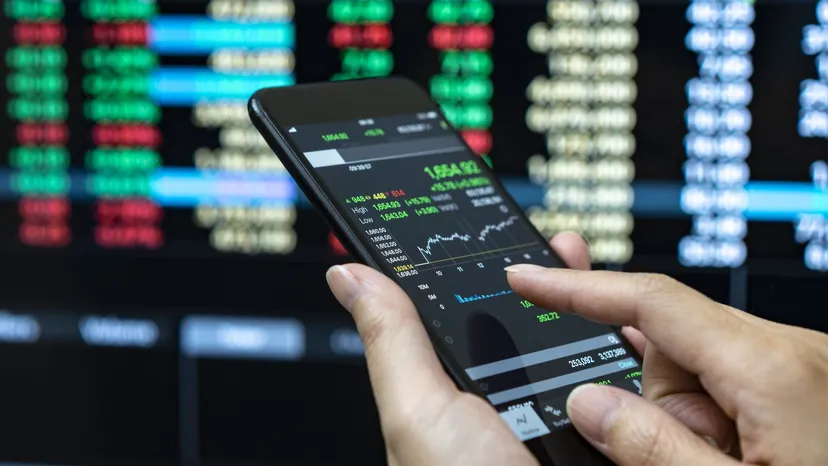
Introduction to Trading
Trading is a dynamic activity that involves buying and selling financial instruments with the goal of generating profits. Unlike long-term investing, which focuses on the gradual accumulation of wealth over years, trading seeks to capitalize on short-term market movements. Traders operate across a variety of markets, including stocks, forex, commodities, cryptocurrencies, and derivatives. The essence of trading lies in analyzing market trends, understanding risk, and making informed decisions to maximize returns.
The rise of digital trading platforms has transformed the financial landscape, enabling retail investors to participate alongside institutional traders. With accessible technology and real-time data, anyone can now engage in trading, though success requires discipline, strategy, and continuous learning.
Understanding Different Types of Trading
Trading is not a one-size-fits-all activity. Various trading styles cater to different risk appetites, time commitments, and market knowledge. The main types of trading include:
Day Trading
Day trading involves buying and selling securities within the same trading day. Traders aim to capitalize on small price fluctuations and close all positions before market close to avoid overnight risk. This style demands constant market monitoring, fast decision-making, and technical analysis skills. Day trading is high-risk but can yield substantial profits for experienced traders.
Swing Trading
Swing trading focuses on capturing medium-term price movements, typically lasting several days to weeks. Traders use technical indicators and chart patterns to predict potential swings in stock prices. This method balances the intensity of day trading with a longer-term perspective, allowing traders to capitalize on trends without needing to monitor the market constantly.
Position Trading
Position traders adopt a long-term approach, holding trades for weeks, months, or even years. They rely on fundamental analysis, market trends, and macroeconomic factors to make decisions. Position trading requires patience and the ability to withstand market volatility, but it often carries lower stress compared to short-term trading styles.
Scalping
Scalping is a high-frequency trading technique where traders make dozens or hundreds of trades in a single day to earn small profits from minor price changes. Scalpers depend on tight spreads, low transaction costs, and lightning-fast execution. While highly profitable in theory, scalping demands exceptional focus, discipline, and technical infrastructure.
Understanding Market Instruments
Trading spans multiple asset classes, each with unique characteristics, liquidity, and risk profiles. Key trading instruments include:
Stocks
Stocks represent ownership in a company and entitle holders to dividends and voting rights. Equity trading is one of the most popular forms of trading due to its accessibility and market depth. Traders analyze financial statements, company performance, and broader economic trends to make decisions.
Forex (Foreign Exchange)
The forex market is the largest and most liquid market globally, involving the exchange of currencies. Traders profit from fluctuations in exchange rates influenced by geopolitical events, economic indicators, and central bank policies. Forex trading is highly volatile, offering opportunities for significant gains and losses.
Commodities
Commodities like gold, oil, silver, and agricultural products are traded on specialized exchanges. Commodity trading is influenced by supply and demand dynamics, geopolitical tensions, and seasonal trends. It provides diversification benefits for traders looking to hedge against inflation or currency fluctuations.
Cryptocurrencies
Digital assets like Bitcoin, Ethereum, and other altcoins have introduced a new frontier for traders. Cryptocurrency markets operate 24/7, are highly volatile, and are influenced by technological developments, regulatory changes, and market sentiment. Crypto trading can be extremely profitable but carries significant risk due to market unpredictability.
Options and Derivatives
Options, futures, and other derivatives allow traders to speculate on price movements without directly owning the underlying asset. These instruments offer leverage, hedging opportunities, and complex strategies that can amplify profits but also increase the potential for losses. Understanding derivatives requires in-depth knowledge of market mechanics and risk management.
Fundamental vs. Technical Analysis
Successful trading depends on analyzing market information to make informed decisions. Two main approaches dominate the trading world:
Fundamental Analysis
Fundamental analysis evaluates the intrinsic value of an asset based on economic data, financial statements, industry trends, and geopolitical developments. Stock traders may examine revenue growth, profit margins, and debt levels, while forex traders monitor interest rates, inflation, and GDP growth. The goal is to identify undervalued or overvalued assets that may yield profitable opportunities.
Technical Analysis
Technical analysis focuses on price action, chart patterns, and trading indicators to predict future market movements. Traders use tools like moving averages, Bollinger Bands, RSI (Relative Strength Index), and MACD (Moving Average Convergence Divergence) to identify entry and exit points. Technical analysis is particularly popular among short-term traders such as day traders and scalpers.
Many successful traders combine both fundamental and technical analysis, leveraging the strengths of each approach to enhance decision-making.
The Importance of Risk Management
Risk management is a cornerstone of trading, as markets can be unpredictable and losses are inevitable. Effective risk management strategies include:
- Position Sizing: Allocating a specific portion of capital to each trade to limit exposure.
- Stop-Loss Orders: Automatically exiting a trade at a predetermined loss level to prevent significant financial damage.
- Diversification: Trading across different instruments and asset classes to reduce the impact of adverse market movements.
- Leverage Management: Using borrowed capital carefully to amplify gains while minimizing the risk of magnified losses.
A disciplined approach to risk ensures long-term survival in trading and prevents emotional decision-making that can lead to catastrophic losses.
Trading Psychology
Emotional control is as crucial as technical knowledge in trading. Traders often face fear, greed, and overconfidence, which can impair judgment. Developing a trading plan, sticking to strategies, and maintaining patience are essential to prevent impulsive decisions. Many successful traders maintain trading journals to review performance, analyze mistakes, and refine strategies continuously.
Choosing a Trading Platform
The right trading platform significantly impacts trading efficiency and success. Key considerations when selecting a platform include:
- Execution Speed: Fast trade execution minimizes slippage and improves profitability.
- Security: Protecting funds and personal information is critical.
- Tools and Features: Access to charting tools, indicators, news feeds, and research reports enhances decision-making.
- Fees and Commissions: Lower trading costs improve net returns, especially for high-frequency traders.
Popular platforms like MetaTrader, Thinkorswim, Interactive Brokers, and Robinhood offer various features catering to different trading styles and experience levels.
Developing a Trading Strategy
A structured trading strategy is essential for consistent success. Strategies often include:
- Trend Following: Capitalizing on market momentum by buying assets in uptrends and selling in downtrends.
- Mean Reversion: Exploiting price corrections that revert to historical averages or support/resistance levels.
- Breakout Trading: Entering trades when prices break through key support or resistance levels, signaling potential strong moves.
- News-Based Trading: Reacting to market-moving news, economic releases, or corporate announcements.
Testing strategies through paper trading or demo accounts before deploying real capital allows traders to refine techniques and build confidence.
Common Trading Mistakes to Avoid
Even experienced traders can fall into common traps that hinder profitability:
- Overtrading: Taking excessive trades without proper analysis leads to poor results.
- Ignoring Risk Management: Neglecting stop-losses or over-leveraging exposes traders to large losses.
- Following the Crowd: Blindly mimicking others’ trades without independent analysis increases risk.
- Neglecting Education: Markets evolve, and continuous learning is necessary to adapt and remain competitive.
Conclusion
Trading is a multifaceted discipline combining strategy, analysis, psychology, and risk management. While it offers opportunities for substantial profits, it also carries inherent risks. Success requires a structured approach, continuous learning, and disciplined execution. By understanding market instruments, employing robust analysis methods, and maintaining emotional control, traders can navigate the complexities of financial markets and achieve sustainable results.
FAQs About Trading
1. How much capital do I need to start trading?
Starting capital varies by market and trading style. Day trading often requires higher capital due to regulatory requirements, while swing and position trading can start with smaller amounts. Focus on risk management rather than large initial investment.
2. Is trading better than investing for long-term wealth?
Trading focuses on short-term profits, while investing targets long-term wealth accumulation. Both have advantages; trading offers faster returns but higher risk, whereas investing is typically more stable and less stressful.
3. Can I trade part-time while maintaining another job?
Yes, swing trading or position trading suits part-time traders due to less frequent monitoring requirements. Day trading and scalping demand full-time attention.
4. How important is technical analysis compared to fundamental analysis?
Both are important. Technical analysis is crucial for short-term decisions, while fundamental analysis helps evaluate long-term potential. Combining both approaches often yields the best results.
5. What are the most volatile markets for trading?
Forex, cryptocurrencies, and commodities tend to be highly volatile. High volatility offers profit potential but also increases risk. Traders must adjust strategies and position sizes accordingly.
6. How do I manage losses in trading?
Implement stop-loss orders, diversify trades, limit leverage, and maintain a disciplined approach. Accepting losses as part of the process helps prevent emotional decision-making.
7. Are automated trading systems effective?
Automated systems can help execute trades efficiently and remove emotions. However, they require careful configuration, monitoring, and ongoing strategy adjustments to remain effective in changing market conditions.
