

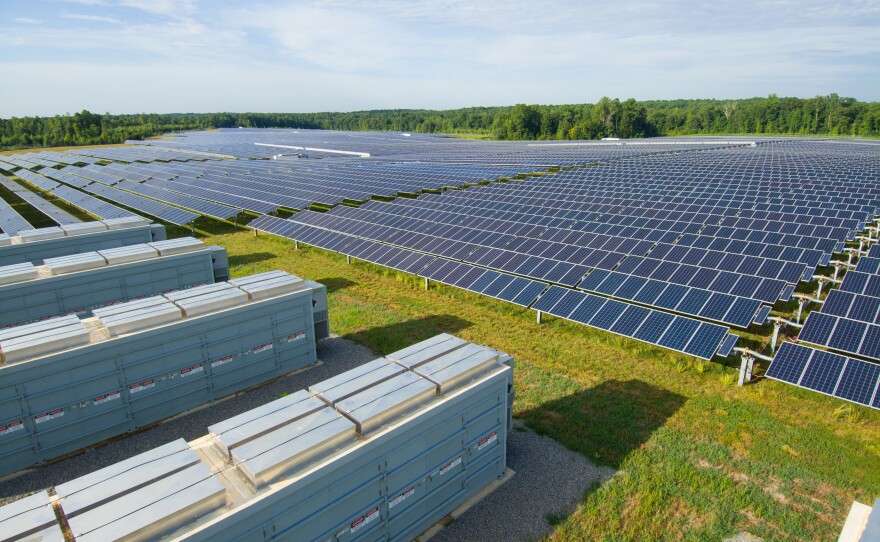
Residential energy storage has emerged as the silent disruptor that energy companies never saw coming, transforming ordinary homeowners into micro-grid operators who can store sunshine for a rainy day and sell electricity back to utilities at premium rates. What began as an expensive novelty for environmentally conscious early adopters has evolved into a sophisticated technology that challenges the fundamental assumptions of how electricity is generated, distributed, and consumed. Yet beneath the sleek marketing campaigns and government incentives lies a more complex story—one of shifting power dynamics, hidden costs, and unintended consequences that few homeowners fully understand.
The Anatomy of Energy Independence
The technology itself represents a convergence of advances in lithium-ion battery chemistry, power electronics, and smart grid software that took decades to mature. Modern residential battery systems can store between 5-20 kilowatt-hours of electricity, enough to power an average home for several hours or essential appliances for days. These units monitor household energy consumption patterns, learn from daily routines, and automatically optimise charging and discharging cycles to maximise economic benefits.
The appeal extends far beyond mere backup power during outages. Sophisticated algorithms now allow these systems to participate in demand response programmes, selling stored energy back to the grid during peak pricing periods. This capability transforms the traditional relationship between homeowner and utility provider, creating a new class of prosumers who both produce and consume electricity.
The Economics of Energy Arbitrage
Understanding the true financial implications requires examining the complex web of tariff structures, feed-in rates, and government incentives that vary dramatically by region. Time-of-use pricing creates opportunities for energy arbitrage—charging batteries during off-peak hours when electricity costs pennies per kilowatt-hour, then discharging during expensive peak periods.
The mathematics can be compelling, but several factors complicate the calculation:
• Depth of discharge limitations that prevent using the battery’s full capacity
• Round-trip efficiency losses of 10-15% during charge-discharge cycles
• Degradation rates that reduce capacity by 2-3% annually
• Inverter replacement costs typically required after 10-15 years
• Insurance implications that many homeowners discover only after installation
Grid Stability and the Bigger Picture
What makes residential energy storage particularly intriguing is its potential to address grid-level challenges that utilities have struggled with for decades. The proliferation of solar panels created the “duck curve” problem—a mismatch between peak solar generation during midday and peak demand in early evening. Residential batteries help flatten this curve by storing excess solar energy and releasing it when needed.
This distributed approach to grid stability represents a fundamental shift from centralised power generation to a more resilient, decentralised model. However, it also creates new complexities for grid operators who must now manage thousands of small, independently operated storage systems rather than a handful of large power plants.
The Singapore Context
Singapore’s unique circumstances illustrate both the promise and challenges of residential energy storage adoption. According to energy sector analysts familiar with Southeast Asian markets, “Singapore’s high electricity costs and government push for solar adoption create compelling economics for residential energy storage, but the tropical climate demands robust thermal management systems, and the island’s grid stability already exceeds global standards, reducing the resilience value proposition.”
The city-state’s ambitious goal of deploying 2 gigawatts of solar capacity by 2030 positions residential storage as a critical enabling technology. However, the limited land area and high population density create unique technical challenges that don’t exist in suburban markets elsewhere.
Installation Realities and Hidden Complexities
The installation process reveals complexities that glossy brochures rarely address. Electrical panel upgrades are frequently required, adding thousands to project costs. Many older homes lack adequate space for proper battery ventilation, particularly important for lithium-ion systems that generate heat during operation.
Safety considerations extend beyond fire risk to include proper grounding, arc fault protection, and compliance with rapidly evolving electrical codes. The integration with existing solar systems often requires upgrading inverters or installing additional equipment that wasn’t factored into initial cost estimates.
Maintenance and Long-term Considerations
Unlike solar panels that operate maintenance-free for decades, battery systems require ongoing attention. Software updates, performance monitoring, and eventual component replacement create ongoing relationships with installers and manufacturers. Warranty terms vary significantly, with some covering only manufacturing defects whilst others include performance guarantees.
The environmental implications also merit consideration. Whilst lithium-ion batteries can be recycled, the infrastructure for residential battery recycling remains underdeveloped. The carbon footprint of battery manufacturing partially offsets the environmental benefits, particularly in regions where grid electricity already comes from clean sources.
Future Implications
The technology continues evolving rapidly, with solid-state batteries promising improved safety and longevity, whilst alternative chemistries like iron-phosphate offer lower costs at the expense of energy density. Vehicle-to-grid technology may eventually make dedicated home batteries redundant as electric vehicles become mobile energy storage devices.
The Path Forward
Understanding residential energy storage requires looking beyond the immediate appeal of energy independence to examine broader implications for grid resilience, environmental impact, and social equity. As costs continue declining and technology improves, these systems will likely become as common as solar panels are today.
Yet success depends on thoughtful integration with existing infrastructure, realistic financial expectations, and recognition that energy storage represents just one component of a larger transformation towards distributed, renewable energy systems. For homeowners considering this investment, the key lies in understanding not just the technology itself, but the complex ecosystem of regulations, incentives, and market forces that ultimately determine whether residential energy storage delivers on its transformative promise.
